

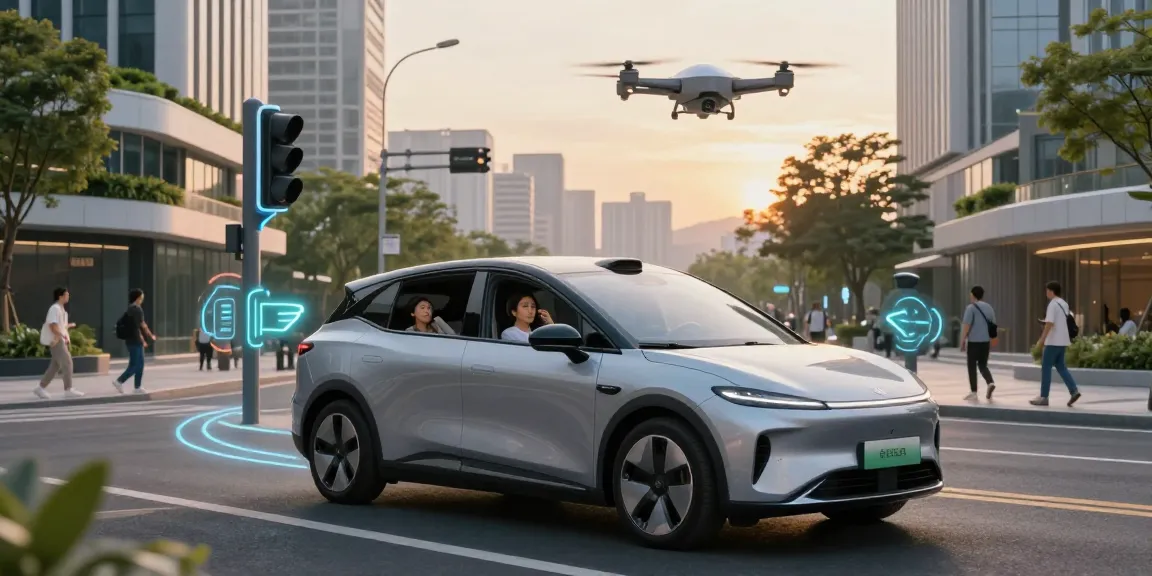
Understanding Autonomous Driving Technologies
The world of autonomous driving has emerged as a captivating domain within the technology landscape, offering the promise of transforming mobility as we know it. By leveraging advanced algorithms, sensors, and artificial intelligence, autonomous vehicles (AVs) aim to navigate and operate without human intervention. As this technology continues to develop, it presents both exciting opportunities and complex challenges. When exploring options, autonomous driving provides comprehensive insights that can demystify the intricacies involved.
What is Autonomous Driving?
Autonomous driving refers to the capability of a vehicle to operate independently without human oversight. This involves using a combination of hardware and software to perceive the vehicle’s environment, make decisions, and navigate safely. Various levels of automation exist, ranging from Level 0 (no automation) to Level 5 (full automation). In Level 5, vehicles can handle all driving tasks in any environment without human intervention.
The Evolution of Self-Driving Cars
The journey of autonomous driving began in the 1920s with simple automated systems, but it wasn’t until the late 20th century that significant advancements were made. Early prototypes utilized basic technology, such as pre-programmed routes and rudimentary sensors. The 1990s saw the introduction of more sophisticated systems, including lidar and radar, paving the way for the sophisticated AVs we see today. Companies like Waymo, Tesla, and Uber have accelerated the development of these vehicles, making the dream of self-driving cars a tangible reality.
Key Technologies Behind Autonomous Driving
- Sensor Technologies: Autonomous vehicles are equipped with various sensors, including lidar, radar, cameras, and ultrasonic sensors. These components work together to create a comprehensive view of the vehicle’s surroundings.
- Artificial Intelligence (AI): AI algorithms enable vehicles to interpret sensor data, learn from driving scenarios, and make real-time decisions based on the environment and traffic conditions.
- Connectivity: Many autonomous vehicles utilize Vehicle-to-Everything (V2X) communication to interact with other vehicles, infrastructure, and networks, enhancing situational awareness and coordination.
- Machine Learning: Machine learning models are trained on vast datasets of driving scenarios, enabling vehicles to predict potential hazards and respond effectively.
Benefits of Autonomous Driving
Enhanced Safety Features in Autonomous Vehicles
One of the most compelling advantages of autonomous driving technology is its potential to improve road safety significantly. Human error is responsible for a vast majority of traffic accidents. With AVs equipped with advanced sensors and AI, the likelihood of collisions can be drastically reduced. Features such as automatic braking, collision avoidance systems, and adaptive cruise control contribute to a safer driving experience.
Environmental Impact of Self-Driving Cars
Autonomous vehicles can also contribute to environmental sustainability. By optimizing driving patterns and reducing unnecessary idling, AVs can lower emissions and improve fuel efficiency. Additionally, autonomous ride-sharing services may decrease the number of vehicles on the road, leading to less congestion and reduced environmental impact.
Boosting Mobility for Everyone
With the development of autonomous driving, increased mobility for underserved populations, such as the elderly and disabled, becomes a reality. By providing safe and reliable transportation options, AVs can enhance the quality of life for those who may struggle to use conventional vehicles, promoting inclusivity and accessibility.
Challenges Facing Autonomous Driving Adoption
Technical and Regulatory Hurdles
Despite the numerous benefits, the widespread adoption of autonomous vehicles is hindered by technical challenges, such as ensuring reliable performance in varied weather conditions and complex urban environments. Regulatory frameworks also lag behind technological advancements, creating uncertainties around liability, safety standards, and operational guidelines.
Public Perception and Trust Issues
Public trust remains a significant barrier to the acceptance of autonomous vehicles. High-profile accidents involving AVs have fueled skepticism, leading many potential users to question the safety and reliability of the technology. Building confidence through transparency, extensive testing, and clear communication will be essential in addressing public concerns.
Infrastructure Requirements for Autonomous Vehicles
The successful deployment of autonomous vehicles also hinges on infrastructure readiness. Upgraded road systems, traffic management, and supportive legislation are critical components for fostering an environment where AVs can operate effectively. Smart city initiatives that integrate technology into urban planning will play a pivotal role in this transformation.
Future of Autonomous Driving in 2026 and Beyond
Emerging Trends in Self-Driving Technology
As we look towards 2026 and beyond, several emerging trends are poised to shape the future of autonomous driving. Increased integration of AI and machine learning will improve the adaptability of AVs, allowing them to learn from their experiences and refine their operational capabilities. Additionally, the fusion of autonomous technologies with electric vehicles could lead to a more sustainable transportation ecosystem.
Predictions for the Autonomous Vehicle Market
Market analysts predict that the autonomous vehicle market will experience exponential growth over the next decade. As technology matures and regulatory frameworks become more supportive, we can expect to see widespread commercial deployments of AVs. This growth will not only encompass passenger vehicles but also extend to logistics, public transportation, and freight systems.
Case Studies of Successful Implementations
Looking ahead, numerous case studies will serve as benchmarks for successful autonomous driving applications. Companies like Waymo and Tesla are already making strides in urban environments, while others are exploring AVs for delivery services and public transport solutions. These initiatives will provide valuable lessons and insights for future AV development and deployment.
FAQs about Autonomous Driving
How is safety ensured in autonomous vehicles?
Safety in autonomous vehicles is maintained through rigorous testing, real-time monitoring, and advanced safety features like automated emergency braking and obstacle recognition. Additionally, manufacturers adhere to strict regulatory standards and often conduct safety simulations to prepare for diverse driving scenarios.
What are the environmental benefits of self-driving cars?
Self-driving cars can reduce emissions by optimizing driving patterns, decreasing the number of vehicles on the road through ride-sharing, and utilizing electric powertrains. These advantages contribute to a greener urban environment and reduced reliance on fossil fuels.
What technologies are critical for autonomous driving?
Critical technologies for autonomous driving include sensor systems (lidar, radar, cameras), artificial intelligence for decision-making, vehicle-to-everything communication for enhanced situational awareness, and machine learning for continuous improvement in driving capabilities.
How will autonomous driving change urban infrastructure?
The rise of autonomous vehicles will necessitate updates to urban infrastructure, including smart traffic management systems, dedicated lanes for AVs, and enhanced parking solutions. These changes will help to optimize traffic flow and support the unique requirements of self-driving technology.
What are the ethical considerations with autonomous vehicles?
Ethical considerations in autonomous driving encompass dilemmas related to decision-making in accident scenarios, data privacy concerns, and equitable access to AV technology. These discussions will be crucial as society navigates the implications of widespread AV adoption.