
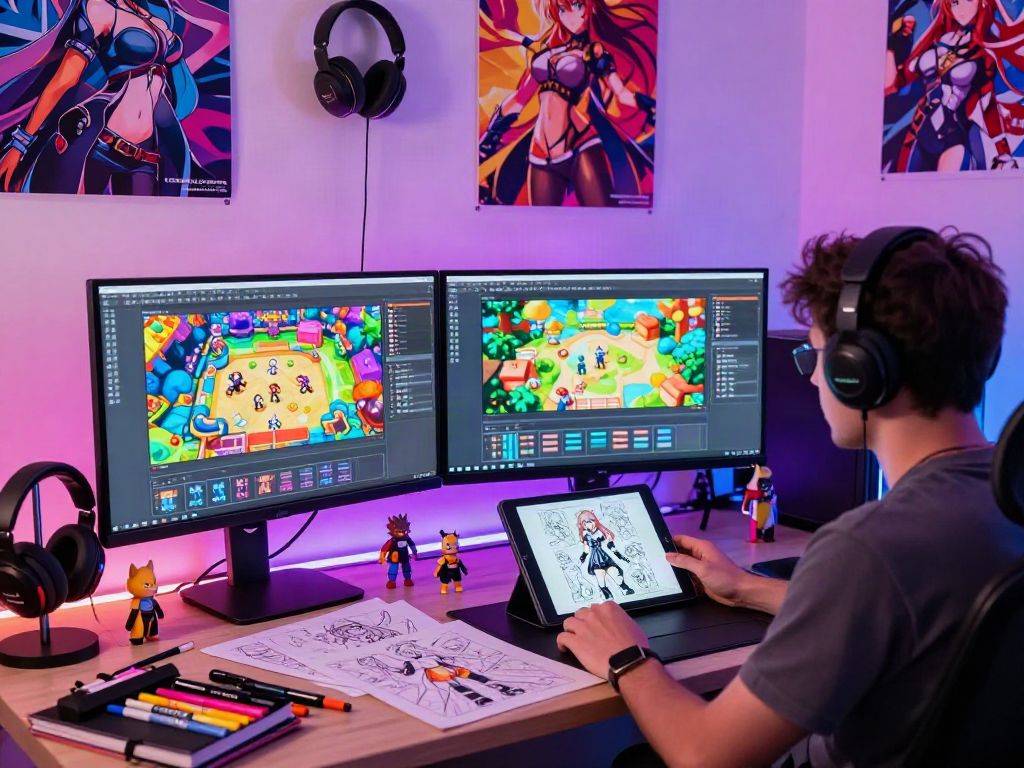
Understanding Hentai Games and Their Audience
The realm of hentai games has garnered significant attention over the years, captivating a niche yet passionate audience. Hentai games, defined broadly as adult-themed video games often incorporating anime-style graphics, deliver unique narratives and interactive experiences that cater to mature audiences. As the popularity of these games surges, understanding their audience becomes crucial for developers and marketers alike. This article delves into the intricacies of hentai games, exploring their definitions, player demographics, and the overarching themes prevalent within this captivating genre.
What are Hentai Games?
Hentai games encompass a specific category of video games that feature explicit adult content, often presented in anime or manga art styles. These games range from visual novels, where players make narrative choices impacting the storyline, to more interactive formats that include role-playing mechanisms and simulated experiences. The term "hentai" originates from Japan, meaning "perverse" or "abnormal," and has been widely adopted in western cultures to represent adult-themed anime and manga content.
Key Demographics of Hentai Game Players
The player demographics of hentai games are unique compared to mainstream gaming. Primarily, the audience skews towards males aged 18 to 35, though there is a growing interest from female gamers as the genre evolves. Many players are drawn to the storytelling aspects, as well as the freedom to explore various fantasies in a safe environment. Understanding these demographics allows developers to tailor content that resonates with their audience, fostering loyalty and engagement.
Common Themes and Genres in Hentai Games
Common themes in hentai games often revolve around romance, fantasy, and adventure, utilizing intricate storylines that allow for character development and emotional engagement. Genres range widely, but some of the most popular include:
- Visual Novels: Text-heavy games that focus on storytelling and player choice.
- Role-Playing Games (RPGs): Interactive experiences where players assume the role of characters, often in fantastical settings.
- Dating Sims: Games centered around romantic pursuits, allowing players to cultivate relationships with characters.
- Simulation Games: Experiences that mimic real-life scenarios, often with adult themes.
The Evolution of Hentai Games
Historical Context and Origins
The origins of hentai games can be traced back to Japan in the late 1980s, coinciding with the rise of personal computing and the internet. Early titles were often simple text adventures or crude pixelated graphics, but they laid the groundwork for a genre that would evolve dramatically over the coming decades. As technology improved, so too did the complexity of hentai games, with advancements in animation, sound, and interactive storytelling enhancing the overall experience.
Technological Advancements Affecting Hentai Games
Technological breakthroughs significantly impacted the evolution of hentai games. The transition from 2D sprite-based graphics to fully rendered 3D environments offered players an immersive experience. Furthermore, the rise of mobile gaming has made hentai content more accessible to a broader audience, a trend that continues to expand in 2026. As platforms like smartphones and tablets become the norm, developers are adapting their games to suit these formats, allowing for a more personalized experience.
Shifts in Player Preferences Over the Years
Player preferences have evolved as the gaming landscape changes. Initially, many players were drawn primarily to the titillating aspects of hentai games. However, as players become more discerning, there is a heightened demand for well-crafted narratives, character development, and intricate gameplay mechanics. This shift reflects a desire for substance and quality, prompting developers to invest time and resources into creating engaging and memorable gaming experiences.
Market Trends and Future Predictions for 2026
Growth of Mobile Gaming in Hentai Genre
By 2026, the mobile gaming sector in hentai is expected to see substantial growth. With an increasing number of players opting for casual gaming experiences on-the-go, mobile platforms present a lucrative avenue for developers. The challenge lies in creating engaging content that retains players' interest while utilizing the capabilities of mobile devices.
Emerging Platforms and Technologies
Emerging platforms, such as virtual reality (VR) and augmented reality (AR), are set to revolutionize the hentai gaming industry. These technologies allow for interactive experiences that immerse players in ways traditional gaming cannot, creating a deeper emotional connection with the characters and storylines. By 2026, we may see a significant increase in VR hentai games that offer realistic interactions and environments.
Impact of Virtual Reality on Player Experience
The integration of virtual reality into hentai gaming has the potential to transform player experiences significantly. VR allows players to step into the game world, interact with characters, and engage with the narrative on a level that was previously unimaginable. Such advancements can lead to more personalized and memorable experiences, further entrenching the popularity of hentai games in the broader gaming culture.
Challenges Faced by Hentai Game Developers
Navigating Legal and Ethical Considerations
One of the primary challenges for hentai game developers is navigating the complex legal landscape surrounding adult content. Different countries have varying laws regarding explicit material, and developers must ensure compliance to avoid potential legal issues. Additionally, ethical considerations, such as the portrayal of characters and storylines, are crucial in developing games that respect players and the wider community.
Marketing Strategies for Niche Games
Marketing hentai games can be particularly challenging due to the sensitive nature of the content. Developers often rely on targeted advertising strategies to reach their specific audience while navigating platforms that may have restrictions on adult content. Social media, niche gaming forums, and influencer partnerships can help to effectively engage potential players and draw attention to new releases.
Building a Community Around Hentai Games
Creating a loyal community is essential for the long-term success of hentai games. Developers can achieve this by fostering communication with players through forums, social media, and regular updates. Community-driven content, such as fan art competitions or narrative contributions, can enhance player engagement and create a sense of ownership among fans.
Best Practices for Developing Hentai Games
Incorporating User Feedback into Game Design
Player feedback is invaluable in refining and enhancing the gaming experience. Developers should actively seek input through beta testing phases and community polls, allowing for the adjustment of gameplay mechanics and storylines based on player preferences. Incorporating user feedback can result in a more enjoyable and engaging product, ensuring that the game resonates with its audience.
Creating Engaging Storylines and Characters
Strong narratives and well-developed characters are essential for the success of hentai games. Developers should focus on crafting engaging storylines that evoke emotional responses and encourage player investment. Additionally, creating diverse and relatable characters will appeal to a broader audience, allowing players to connect more deeply with the game.
Balancing Art, Gameplay, and Narrative
Finding the right balance between art, gameplay, and narrative is crucial in hentai game development. While stunning visuals can draw players in, it is the combination of engaging gameplay mechanics and compelling storytelling that keeps them invested. Developers should strive to create a harmonious blend, ensuring that each aspect enhances the overall experience.
What are the most popular hentai games in 2026?
As we look toward 2026, the landscape of popular hentai games is expected to include innovative titles that push the boundaries of storytelling and interactivity. Games that effectively leverage emerging technologies, such as VR and AR, will likely lead the market, captivating players seeking new experiences. Titles focusing on complex narratives and character relationships are expected to dominate the charts, reflecting the evolving preferences of gamers.
How do hentai games affect mainstream gaming culture?
Hentai games, while niche, play an influential role in shaping aspects of mainstream gaming culture. They challenge traditional norms regarding storytelling and character representation, prompting broader discussions about adult themes in games. As acceptance of diverse gaming experiences rises, hentai games may pave the way for more inclusive narratives across various genres.
What role does community play in the success of hentai games?
Community engagement is critical to the success of hentai games. A dedicated fanbase can drive awareness and interest, contributing to a game's longevity. Developers who prioritize community interaction often find that they can build a loyal following, leading to sustained interest in future projects and expansions.
Are there any significant trends in hentai game storytelling?
As storytelling in hentai games evolves, we see trends emerge that emphasize character development, emotional depth, and plot complexity. More developers are focusing on crafting narratives that challenge stereotypes and embrace diverse experiences, reflecting a growing acceptance of varied themes within the gaming community.
How can developers ensure ethical standards in hentai games?
To uphold ethical standards, developers should prioritize responsible portrayals of characters and themes, avoiding harmful stereotypes or exploitative content. Engaging with players and community feedback can help developers navigate these concerns and create material that is respectful and enjoyable for a diverse audience. Establishing internal guidelines and consulting with experts in ethics can further assist in maintaining integrity within the genre.