

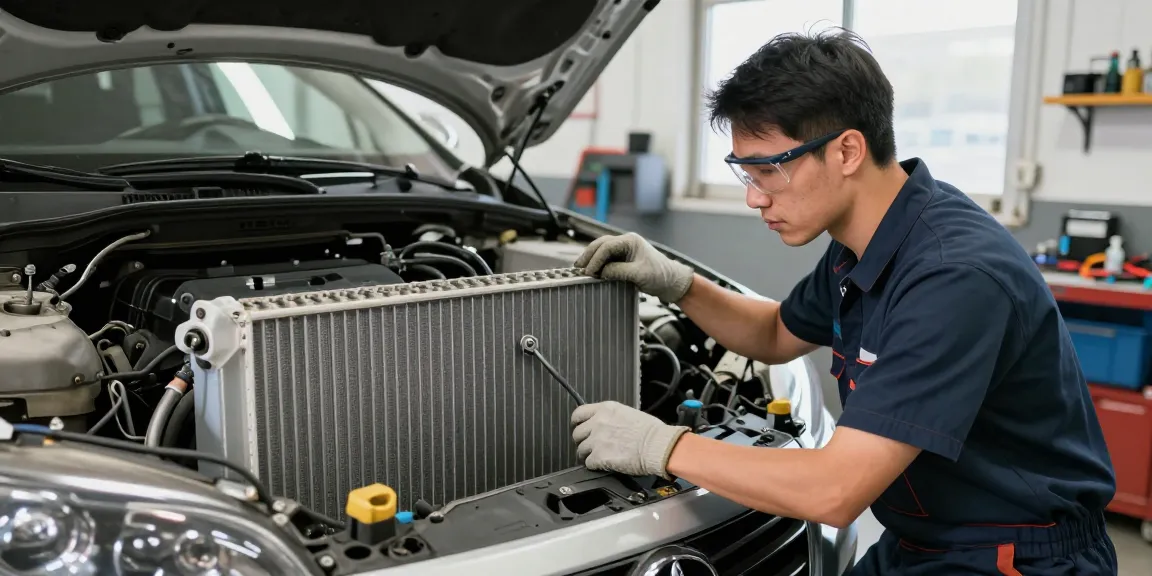
Understanding the Importance of a Clean Car Radiator
Maintaining your vehicle’s cooling system is crucial to ensuring your car runs smoothly, especially during hot summer months. One of the primary components of this system is the radiator. If you start noticing signs that indicate a dirty car radiator, it’s important to respond quickly. A well-functioning radiator can prevent your engine from overheating, preserve fuel efficiency, and ultimately save you from costly repairs. When exploring options, dirty car radiator issues must be addressed promptly to avoid complications that can arise from neglect.
Symptoms of a Dirty Car Radiator
Recognizing the signs of a dirty radiator can save you from significant trouble down the road. Common symptoms include:
- Increased Engine Temperature: One of the most apparent signs is a continuous rise in engine temperature. If your temperature gauge frequently creeps into the red zone, especially during idle or slow-moving traffic, your radiator could be clogged.
- Frequent Fan Activation: The cooling fan running more often than usual is another indication that the engine is struggling to stay cool, potentially due to radiator issues.
- Reduced Air Conditioning Performance: A dirty radiator can obstruct airflow and impede the effectiveness of your car’s air conditioning system, making it less effective on hot days.
- Unpleasant Smells: A ‘hot-metallic’ smell might signal that the engine is overheating or that coolant is leaking, signaling problems with the radiator.
- Overheating in Traffic: If you find your engine temperature rises quickly when sitting in traffic or after prolonged idle, this could be due to insufficient radiator function.
Potential Risks of Driving with a Dirty Radiator
Driving with a dirty radiator can lead to a series of cascading issues, posing significant risks to your vehicle’s health:
- Engine Damage: Overheating due to a faulty radiator can lead to severe engine damage, including warped cylinder heads and damaged gaskets.
- Increased Fuel Consumption: An overheated engine operates less efficiently, leading to a decrease in fuel economy.
- Complete Radiator Failure: Ignoring radiator issues can result in complete failure, necessitating expensive replacements rather than simple cleanings.
- Safety Risks: An overheated engine can pose safety risks, particularly if it leads to a breakdown in a hazardous situation.
Immediate Steps to Take When Temperature Rises
If you notice the temperature gauge getting uncomfortably close to the red zone:
- Pull Over Safely: As soon as it is safe to do so, pull over to the side of the road.
- Turn Off the Engine: Allow the engine to cool down to prevent further overheating.
- Check Coolant Levels: Inspect the coolant reservoir to see if it is low; add coolant if necessary and you have the means to do so.
- Visual Inspection: Look for any obvious leaks or debris around the radiator.
- Consult a Mechanic: If the problem persists, seek professional assistance to diagnose and resolve the underlying issues.
How to Identify if Your Radiator Needs Attention
Visual Inspections: What to Look For
A simple visual inspection can sometimes reveal a lot about your radiator’s condition. Here are signs to check:
- Built-up Debris: Check for dirt, grime, and bugs stuck in between the radiator fins.
- Color of Coolant: The coolant should be clean and vibrant; cloudy or rust-colored coolant can indicate internal corrosion.
- Leaks: Look for puddles of coolant beneath the vehicle that can signal a larger problem.
Signs of Internal Damage or Obstruction
While external checks are crucial, internal damage can often be overlooked. Pay attention to:
- Loss of Coolant: If you are frequently refilling the coolant reservoir, it could indicate leaks or clogs within the system.
- Unexpected Overheating: Regular overheating can signal that the radiator is not effectively dissipating heat, possibly due to blockages.
- Hissing Sounds: Listen for hissing noises coming from the engine bay, which can indicate overheating due to improper cooling.
Professional Assessment: When to Call a Mechanic
If you suspect your radiator is not functioning properly based on visual inspections or symptoms, it may be time to consult with a qualified mechanic. Look for signs of:
- Confirmed leaks or clogs by a professional assessment.
- Expert recommendations for flushing or cleaning the system based on the severity of the issue.
- Adherence to local regulations and industry standards in repair procedures.
Best Practices for Radiator Maintenance
Scheduled Cleaning and Flushing Guidelines
Routine maintenance can prevent radiator issues before they begin. Here are recommended practices:
- Regular Inspections: Check your radiator every six months, or more frequently if you drive in harsh conditions.
- Flush Coolant System: Every two years, consider flushing your entire coolant system to remove any sediment or blockages.
- Professional Cleaning: If your radiator is showing significant signs of blockage, seek professional cleaning services to prevent long-term damage.
Tips for DIY Radiator Care
For those inclined toward DIY, here are tips for maintaining your radiator:
- Gentle Cleaning: Use low-pressure water to rinse out debris without damaging radiator fins.
- Appropriate Coolant: Always use the type of coolant specified in your vehicle’s manual to avoid compatibility issues.
- Monitor Temperature: Keep an eye on your temperature gauge for signs of overheating or abnormal behavior.
Choosing the Right Coolants for Your Vehicle
Using the right coolant is essential for your radiator’s performance. Consider these factors:
- Manufacturer Recommendations: Follow the vehicle manufacturer’s guidelines for coolant types.
- Consider Climate: In colder regions, choose antifreeze mixtures that provide optimal protection in freezing temperatures.
- Compatibility: Avoid mixing different brands or types of coolant, as this can lead to detrimental chemical reactions.
Getting Professional Help: Hiring a Trusted Local Provider
What to Expect from Local Auto Repair Services
When seeking professional help, it’s important to understand what services should be provided:
- Thorough Inspection: Expect a comprehensive examination of the entire cooling system.
- Transparent Pricing: You should receive a clear estimate detailing work to be performed and associated costs.
- Quality Assurance: Reputable providers will guarantee their work and utilize high-quality parts and fluids.
Evaluating Provider Credentials: Licensing and Insurance
To ensure you are dealing with a qualified professional, check the following:
- Licensing: Confirm that the provider holds the necessary licenses for automotive repair in your area.
- Insurance: Ensure they have liability insurance to cover any damages that may occur during service.
- Certifications: Look for certifications from recognized automotive organizations that signify expertise and commitment to quality.
Reading Reviews: Finding Top-Rated Local Mechanics
Before selecting a service provider, take the time to research their reputation:
- Online Reviews: Check platforms like Google, Yelp, or Angie’s List for customer reviews and ratings.
- Recommendations: Seek referrals from friends, family, or co-workers who have had positive experiences.
- Service History: A history of timely service and customer satisfaction should be a priority.
Cost Considerations for Radiator Cleaning and Repair
Typical Price Ranges for Radiator Services
The costs associated with radiator services can vary, depending on the work required. Typical ranges include:
- Radiator Cleaning: $50 to $150 for a professional cleaning service.
- Radiator Flush: $100 to $200 depending on vehicle make and model.
- Replacement Cost: $250 to $700 for a total radiator replacement depending on the vehicle.
Factors Influencing Repair and Replacement Costs
Several factors can influence the overall cost of radiator work:
- Type of Vehicle: Luxury or import vehicles may incur higher service costs.
- Location: Labor rates can significantly vary by region; urban areas may charge more than rural areas.
- Parts and Labor: Availability of parts and the complexity of repairs will impact the overall cost.
Affordability of Preventative Maintenance
Investing in regular maintenance is always more cost-effective than waiting for issues to arise:
- Cost Savings: Regular maintenance checks can help detect potential radiator issues before they escalate.
- Enhanced Performance: A clean radiator ensures better overall engine performance and efficiency, saving fuel costs.
- Peace of Mind: Knowing your car is well-maintained provides confidence and reliability during drives.
FAQs
Can I Drive with a Dirty Radiator?
While it may be possible to drive short distances, doing so is risky. Continuing to drive with a dirty radiator may lead to severe engine damage due to overheating. It’s best to address the issue promptly.
What’s Involved in Professional Radiator Cleaning?
Professional cleaning typically includes a thorough inspection, flushing the coolant system, and removing any debris or contaminant buildup without damaging radiator fins.
How Often Should I Check My Car Radiator?
It’s wise to check your radiator every six months and consider flushing the coolant system every two years or as recommended in your vehicle’s manual.